
Enquire Now
Connect With Us
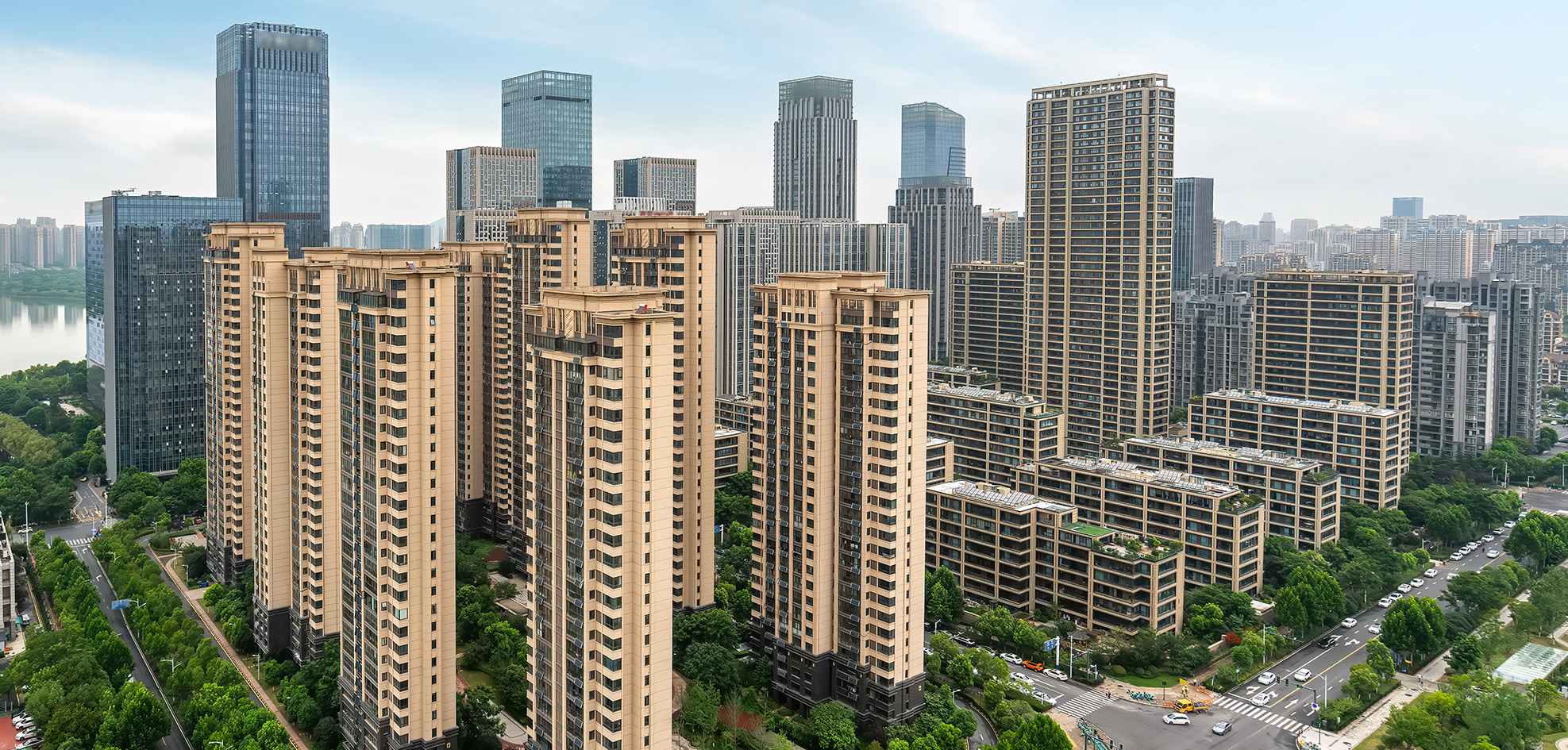
Anyone tracking real estate activity across NCR, particularly in Gurugram, can see the transformation unfolding across the skyline. Areas once dominated by low-rise builder floors, plotted developments, and horizontal layouts are now seeing a steady rise in taller residential towers. This shift is most visible in the luxury segment, where vertical living is becoming the preferred format rather than an exception.
This change is not driven by height alone. It reflects a deeper shift in how premium housing is planned, delivered, and experienced. For investors, luxury homebuyers, and those evaluating flats in Delhi NCR or Gurugram, understanding why this transition is happening offers valuable insight into developer selection, project quality, and long-term value.
Delhi’s residential identity has historically been shaped by low-rise development. Government colonies, plotted neighbourhoods, and low-density housing defined much of the city’s character. Cultural preferences for open spaces and ground-level living, combined with planning policies guided by the Delhi Development Authority, limited vertical growth for decades.
As a result, high-rise housing demand gradually shifted toward satellite cities such as Gurugram and Noida. While Delhi retained its horizontal layout, demand for modern, amenity-rich luxury housing continued to grow. This created a gap between buyer aspirations and available supply, particularly for premium flats in Delhi NCR that offered contemporary living standards.
That gap is now narrowing. Across NCR, high-rise luxury housing is becoming a mainstream offering rather than a niche format. Vertical developments, often designed as mixed-use communities, are being introduced in areas that were once strictly low-density.
Policy initiatives such as Transit-Oriented Development and land pooling have played a key role in enabling this transition. These frameworks allow taller buildings near metro corridors and major transit nodes, supporting integrated residential, commercial, and recreational planning. A prominent example is the DDA-led TOD project in Karkardooma, where tower heights reach nearly 155 metres. This marks a clear departure from Delhi’s traditional planning approach.
Leading developers such as DLF, TARC, Godrej, and Unity have introduced projects like DLF ONE Midtown, The Amaryllis Iconic Tower, and TARC Kailasa. These developments focus on vertical scale combined with thoughtful design, lifestyle amenities, and efficient use of urban land.
Several factors came together after 2025 to accelerate this shift. Land availability within Delhi became increasingly constrained, making horizontal expansion less viable. At the same time, demand from affluent buyers for well-planned, secure, and amenity-led homes continued to strengthen.
Luxury and high-end housing segments began to outperform the broader market, signalling a move away from volume-driven development toward value-focused residential offerings. Younger professionals, high-net-worth individuals, and smaller households started viewing high-rise living as both practical and aspirational. Features such as gated security, managed communities, and integrated amenities aligned well with evolving lifestyle expectations.
Regulatory improvements under RERA also supported this transition by enhancing transparency and accountability in large-scale projects. Clear disclosures and stricter timelines reduced perceived risk, making buyers more comfortable with vertical developments.
Source: https://www.outlookmoney.com/real-estate/delhi-luxury-real-estate-luxury-living-takes-a-vertical-leap-in-delhis-evolving-real-estate
Luxury homebuyers in NCR today are driven by different priorities than earlier generations. Security, privacy, and convenience often outweigh the traditional preference for ground-level living. High-rise communities offer controlled access, shared lifestyle facilities, and professionally managed environments that appeal to modern families and working professionals.
Buyers are looking for homes that meet global standards while remaining well connected to Delhi’s social and cultural ecosystem. In Gurugram, this has translated into strong demand for luxury flats in Delhi NCR that provide expansive views, efficient layouts, quality finishes, and well-designed common spaces. Height is not the objective, but rather a natural outcome of planning homes that deliver comfort, safety, and long-term livability.
The credibility of the real estate developer behind a project has become central to this vertical shift. Branded developers with established track records bring proven execution capability, international benchmarks, and professional post-handover management. Their presence reassures buyers that high-rise projects can be delivered on time and maintained effectively over the long term.
RERA has further strengthened buyer confidence by enforcing registration, financial transparency, and accountability. Together, regulatory clarity and trusted developers have helped position high-rise luxury housing as a reliable option across NCR, rather than a format limited to satellite cities.
Gurugram has long been the region’s benchmark for high-rise residential development. Its experience with tall buildings, integrated amenities, and large-scale planning gives it a structural advantage as vertical living gains wider acceptance across NCR.
For buyers and investors assessing real estate projects in Gurugram, this shift highlights several important considerations. Premium value is increasingly linked to vertical formats that offer security, privacy, and lifestyle amenities. Gurugram’s established ecosystem reduces execution risk compared to markets still adapting to high-rise development.
Developer selection is more critical than ever. Choosing a construction company in Gurugram or the best real estate company in Gurgaon with proven expertise in vertical projects helps protect long-term value. Construction quality, maintenance planning, and community management directly influence daily living experience and resale potential in high-rise developments.
The movement from low-rise to high-rise luxury housing across NCR represents a structural evolution rather than a short-term trend. It reflects changing buyer expectations and more efficient use of limited urban land.
For investors, this shift reinforces several lessons. Future premium demand will increasingly favour vertical homes that combine security, amenities, and thoughtful design. Gurugram’s long-standing experience in high-rise development positions it well for sustained demand. Partnering with a capable real estate developer reduces execution risk and supports stable rental and resale outcomes.
Understanding this transition allows investors to look beyond surface-level features and focus on what truly drives value in luxury flats in Delhi NCR. Projects that balance height with livability, design quality, and long-term management are likely to define the next phase of NCR’s premium housing market.




© 2026 M3M India Pvt. Ltd. All Rights Reserved.